
January to March 2026 Project highlights
The AU-AIP Multi-Country Green Climate Fund (GCF) Readiness Initiative is making strides across Africa, with significant progress recorded between January and March 2026. Implemented by the Global Water Partnership Southern Africa (GWPSA) on behalf of the African Union Commission (AUC) and funded by the Green Climate Fund (GCF), the initiative is supporting 15 African Union Member States to strengthen their capacity to access climate finance and develop bankable, climate-resilient water investments. National governments and stakeholders lead country-level processes, ensuring alignment with national priorities and ownership of outcomes.
The project is a key delivery mechanism of the Africa Union’s Continental Africa Water Investment Programme (AIP), aimed at closing Africa’s water investment gap and advancing climate-resilient development.
Strengthening National Readiness and Institutional Capacity
Several countries officially launched the initiative during the reporting period, marking the start of coordinated national efforts to unlock climate finance.
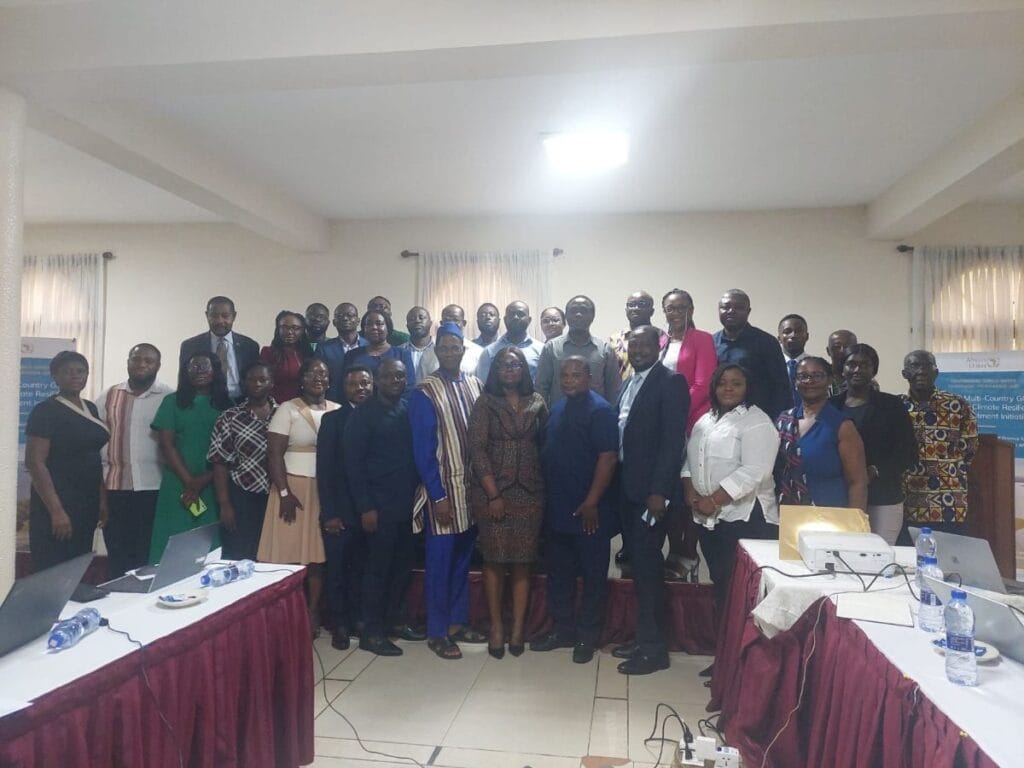
Stakeholders at the launch of the AU-AIP Multi-Country Green Climate Fund (GCF) Readiness Initiative in Ghana
In Ghana, the project was formally launched alongside a Readiness Needs Assessment Validation Workshop, followed by stakeholder engagements to initiate the development of a national Water Investment Programme (WIP) and financing strategy. The projects also trained aspiring Direct Access Entities on GCF accreditation pathways and project development.
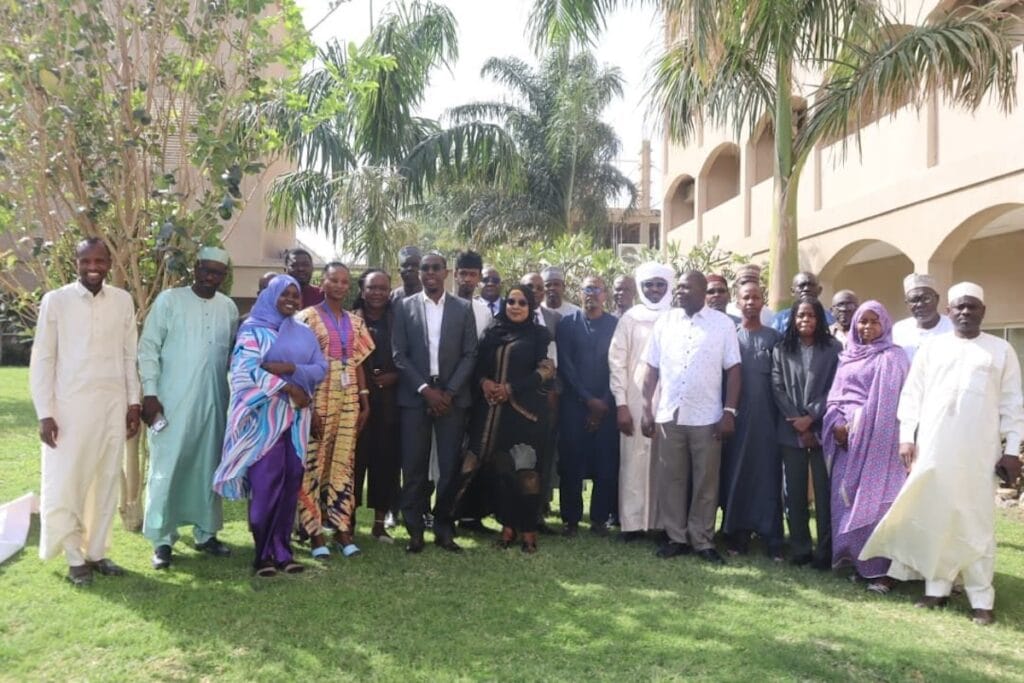
Stakeholders at the project launch in Chad
Similarly, Chad and Sierra Leone launched the initiative through multi-stakeholder workshops that introduced GCF processes, identified readiness gaps, and strengthened coordination across sectors.
In Tunisia, the project is supporting the accreditation of the Caisse des Dépôts et de Consignations (CDC) as a GCF Direct Access Entity.
Across participating countries, including Ghana and Somalia, stakeholders from government, financial institutions, civil society, and the private sector have been trained on GCF procedures, climate finance frameworks, and project preparation.
This is helping strengthen national systems to design, finance, and implement climate-resilient water investments.
Advancing Strategic Frameworks and Investment Planning
Countries are making strong progress in developing and validating strategic instruments that will guide climate finance access and investment planning.
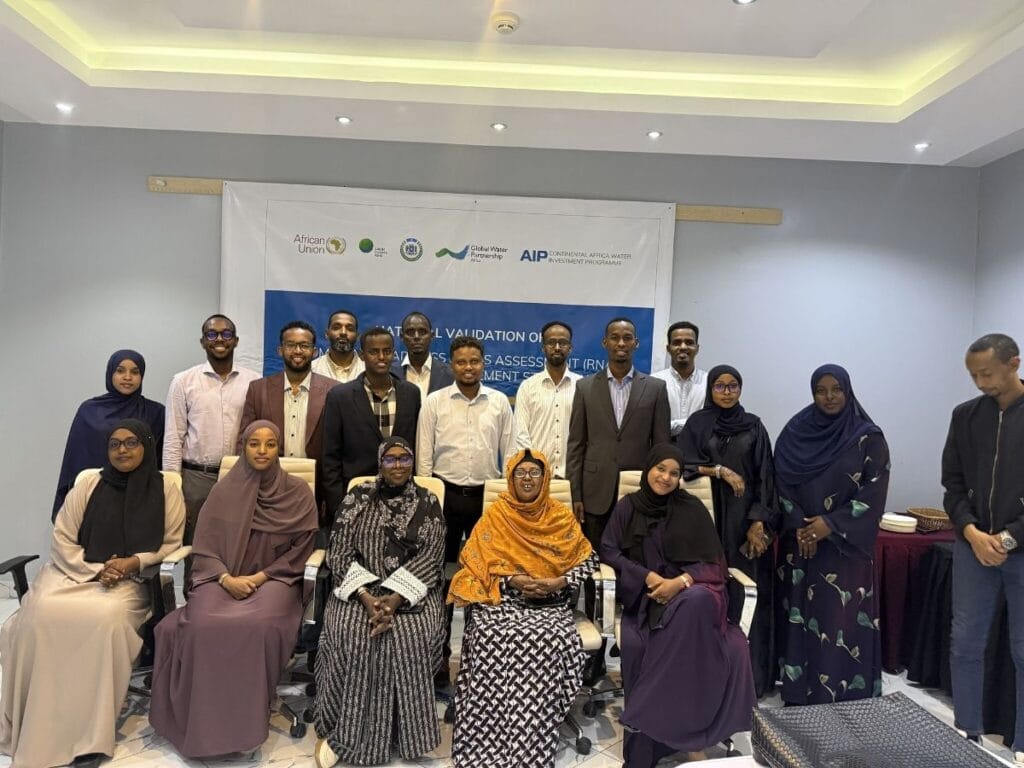
Stakeholders at workshop that validated the country’s Readiness Needs Assessment
In Somalia, stakeholders validated the country’s Readiness Needs Assessment and Private Sector Engagement Strategy, while also advancing the development of its Water Investment Programme through national consultations. These efforts are positioning the country to build a pipeline of bankable projects aligned with national development priorities.
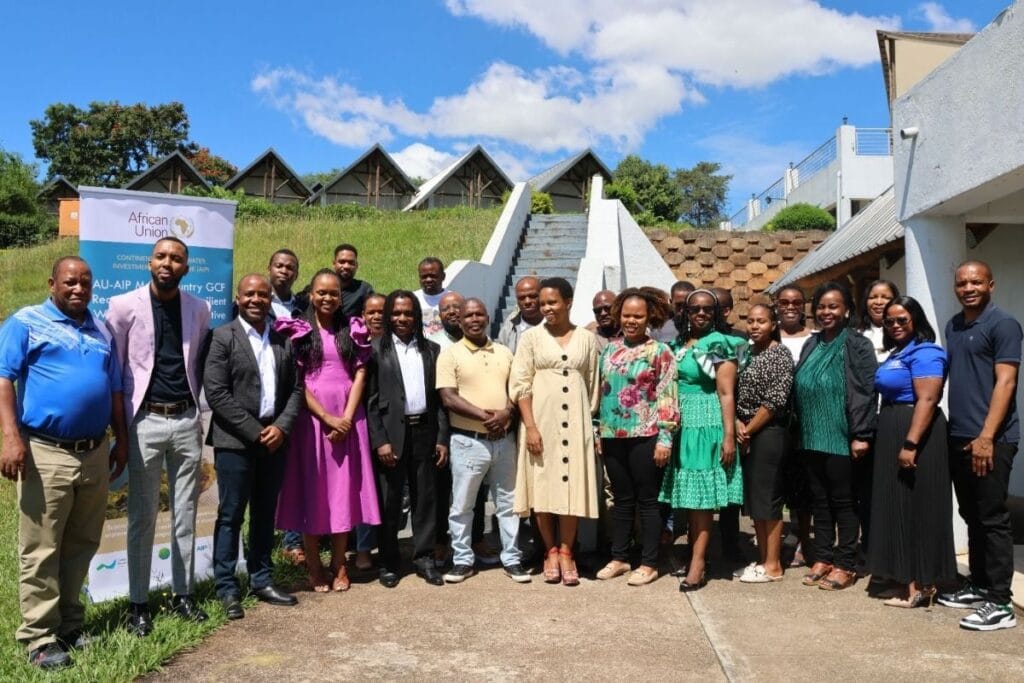
Stakeholders take a group photo as the country validated the Water Investment Programme
Eswatini validated its Water Investment Programme, a long-term roadmap designed to mobilise investment and address systemic water insecurity. The programme aligns with national and continental development frameworks and aims to close a significant financing gap while enhancing climate resilience.
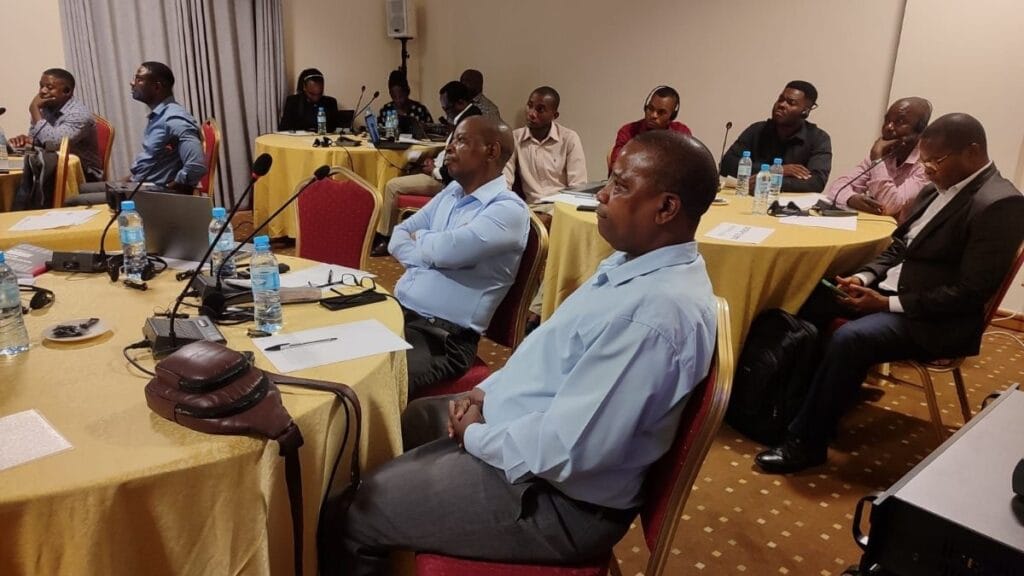
In Mozambique, stakeholders initiated the development of a national Water Investment Programme, outlining priority investments, governance needs, and financing options to achieve long-term water security and resilience.
Enhancing Project Pipelines and Concept Development
A key focus of the initiative is supporting countries to develop high-quality project concepts that meet GCF standards.
In Malawi, stakeholders reviewed and refined a concept note submitted to the Global Water Partnership Southern Africa for potential funding from the Green Climate Fund.
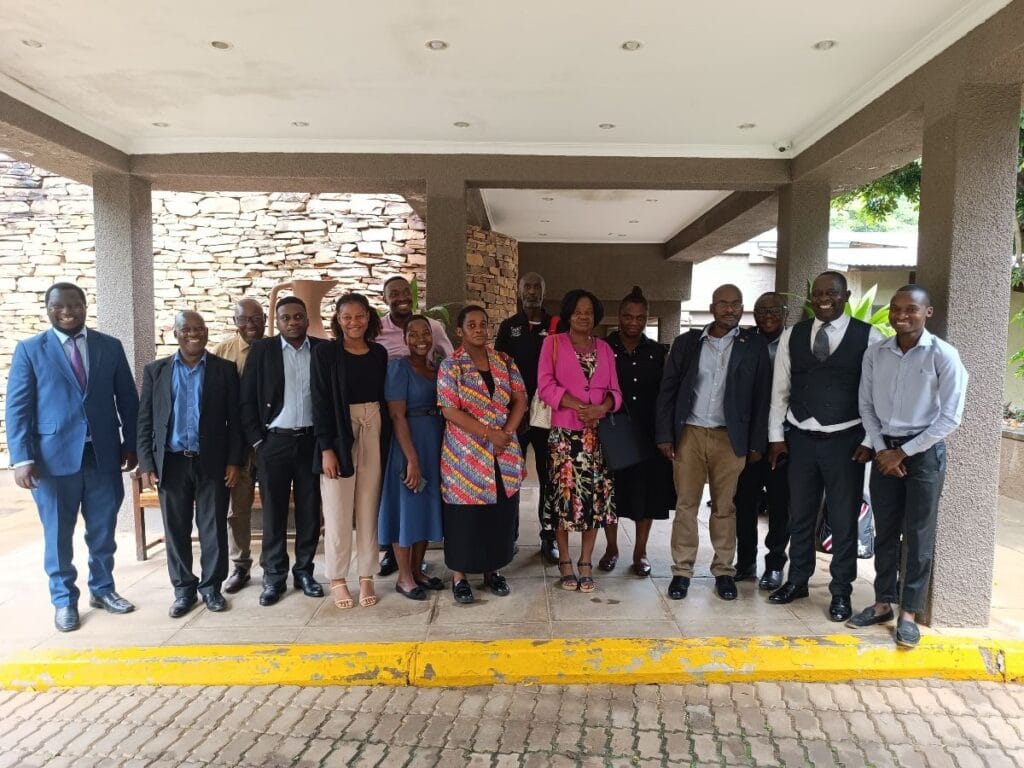
The Concept Note, titled “Malawi Integrated Water Resilience and Circular Economy Project (MIWR-CE): Scaling Up Climate-Resilient Water Security, Sanitation and Waste-to-Resource Solutions through Integrated Adaptation across Malawi’s 28 districts,” proposes a nationwide initiative to strengthen climate resilience while promoting circular economy approaches in the water and sanitation sectors.
Conclusion
The AU-AIP Multi-Country GCF Readiness Initiative is equipping countries with the tools, systems, and strategies needed to develop a strong pipeline of bankable, climate-resilient water projects. Through the development of Water Investment Programmes, strengthened institutional frameworks, and improved project preparation capacity, countries are positioning themselves to access and effectively deploy climate finance at scale.