
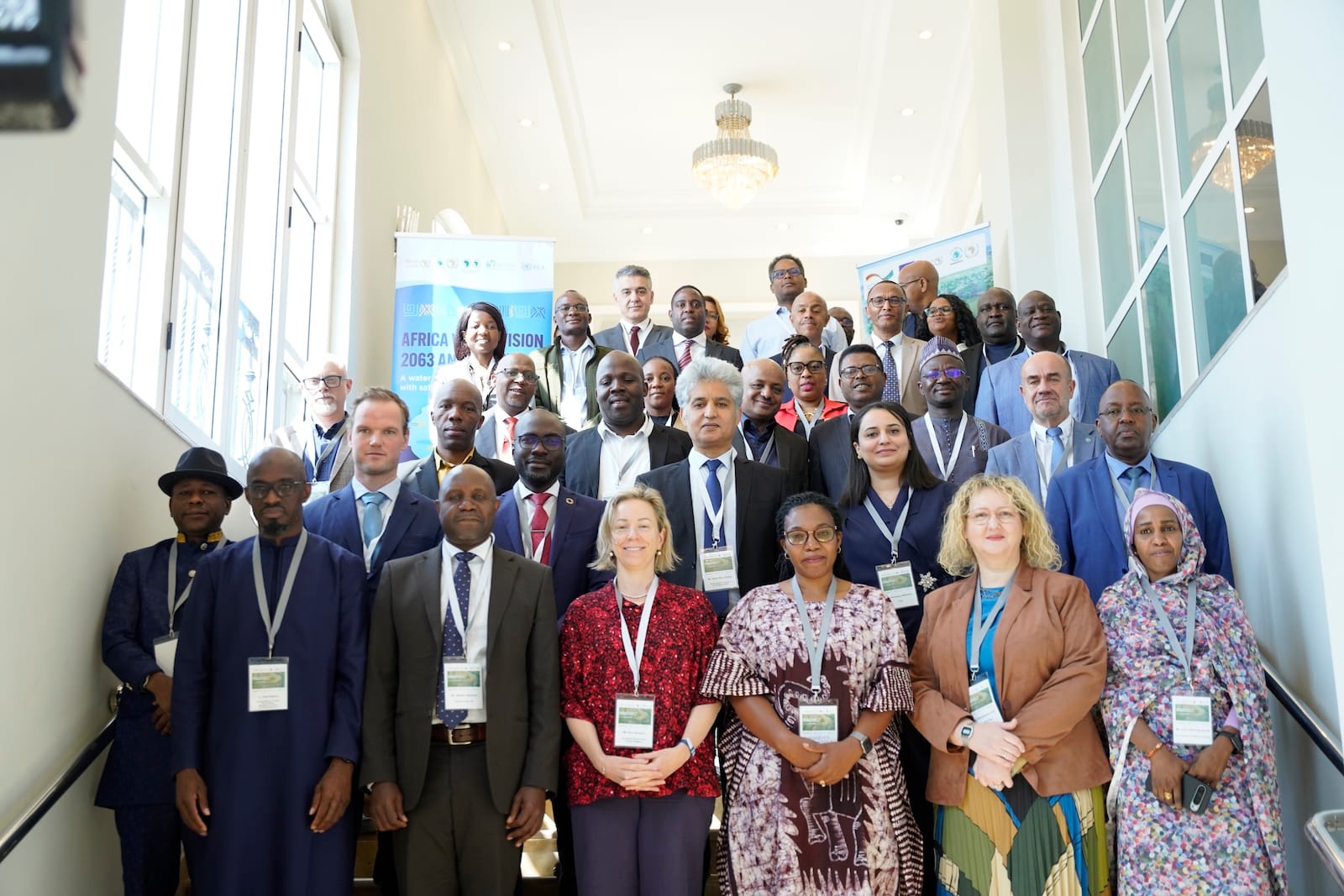
African leaders, water experts, development partners, and regional institutions have reaffirmed the urgent need to strengthen cooperation and investment in Africa’s shared water resources during the Continental Level Consultation and Exchange Event on Transboundary Water Cooperation, held from 17 to 18 February 2026 in Addis Ababa, Ethiopia.
The consultation, convened by the African Union Commission in collaboration with the Global Water Partnership Africa Coordination Unit, United Nations Development Programme, Deutsche Gesellschaft für Internationale Zusammenarbeit, and GEF IW: LEARN, brought together representatives from African Union Member States, Regional Economic Communities, river and lake basin organisations, civil society, researchers, and development partners.

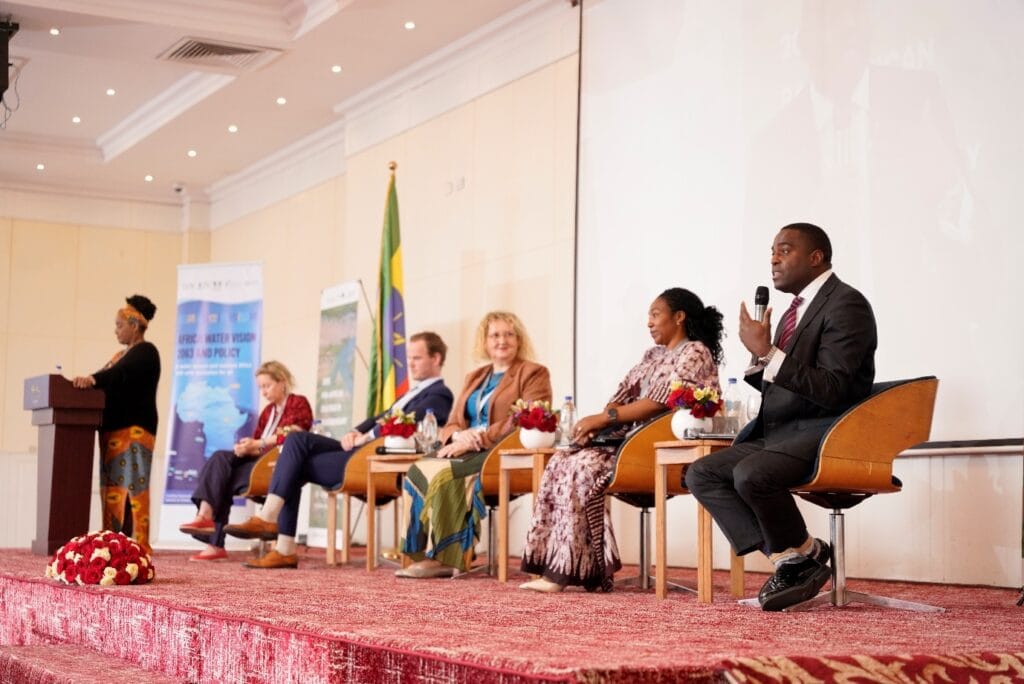
Speaking during the opening session of the 2026 Continental Level Consultation and Exchange Event on Transboundary Water Cooperation, Mr Harsen Nyambe, Director of Sustainable Environment and Blue Economy at the African Union Commission, said the Dialogue would help stakeholders move from identifying priorities to scaling implementation, building on last year’s Dialogue, where partners articulated transboundary and national investment priorities.
The event formed part of the Africa Transboundary Dialogue and Basin Action (ATDBA) programme and builds on the inaugural Pan-African Dialogue held in 2025. The forum served as a platform for exchanging experiences, identifying priority challenges, and shaping actionable pathways to strengthen transboundary water cooperation across the continent.
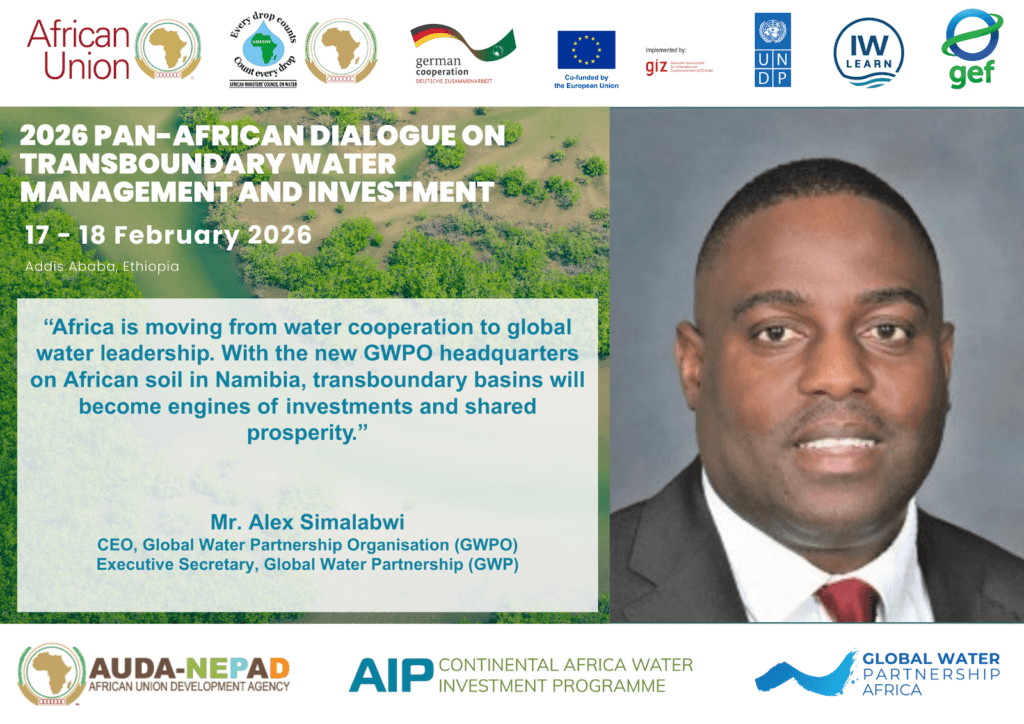
Delivering his remarks during the official opening of the event, Mr Alex Simalabwi, CEO of the Global Water Partnership Organisation (GWPO) & Executive Secretary, Global Water Partnership (GWP), underscored Africa’s leadership in global water governance, stating that it is becoming more visible and consequential.
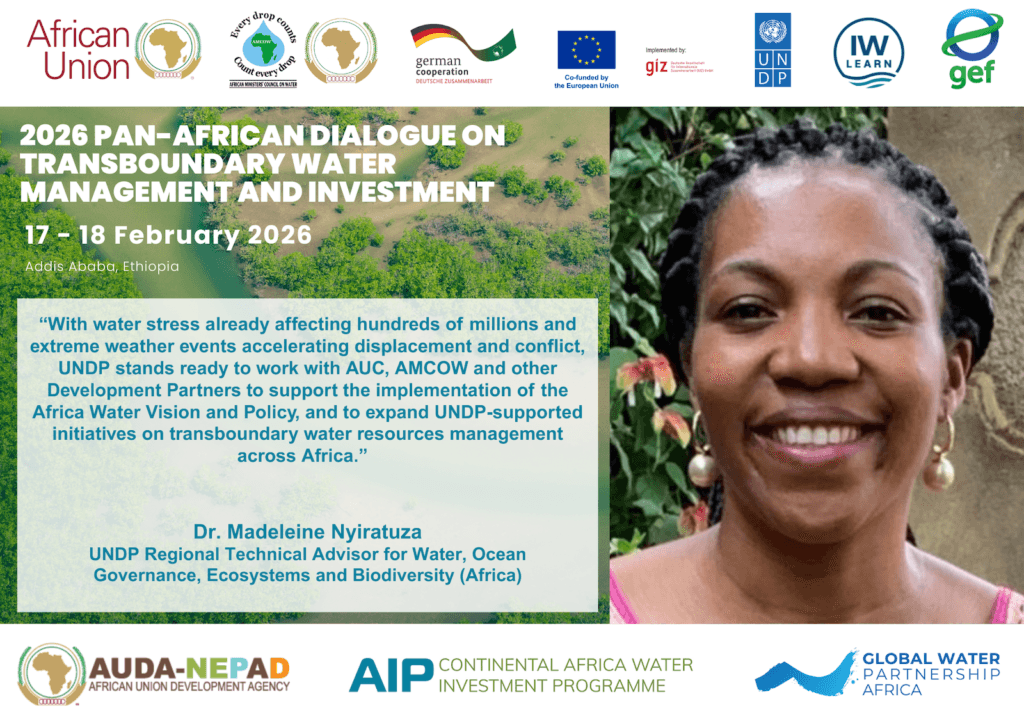
UNDP’s Regional Technical Advisor for Water, Ocean Governance, Ecosystems and Biodiversity (Africa), Dr Madeleine Nyiratuza, acknowledged the leadership of the AUC and AMCOW in advancing the Water Vision 2063 and aligned water policies. UNDP has since committed to continuing to work with stakeholders on transboundary water resources management in Africa.
Participants underscored that Africa’s rivers, lakes, and aquifers, most of which are shared across borders, are fundamental to achieving the continent’s development ambitions. Effective cooperation over shared water resources was highlighted as essential for regional integration, climate resilience, food and energy security, and peace.
The consultation was also aligned with the African Union’s designation of 2026 as the year of “Assuring Sustainable Water Availability and Safe Sanitation Systems to Achieve the Goals of Agenda 2063.” Discussions focused on translating the ambitions of the Africa Water Vision and Policy 2063 into practical and measurable actions.
The African Ministers’ Council on Water (AMCOW) commended the launch of the Africa Water Vision 2063 & Policy at the 39th African Union Summit, describing it as the strongest political commitment yet to water and sanitation in Africa.
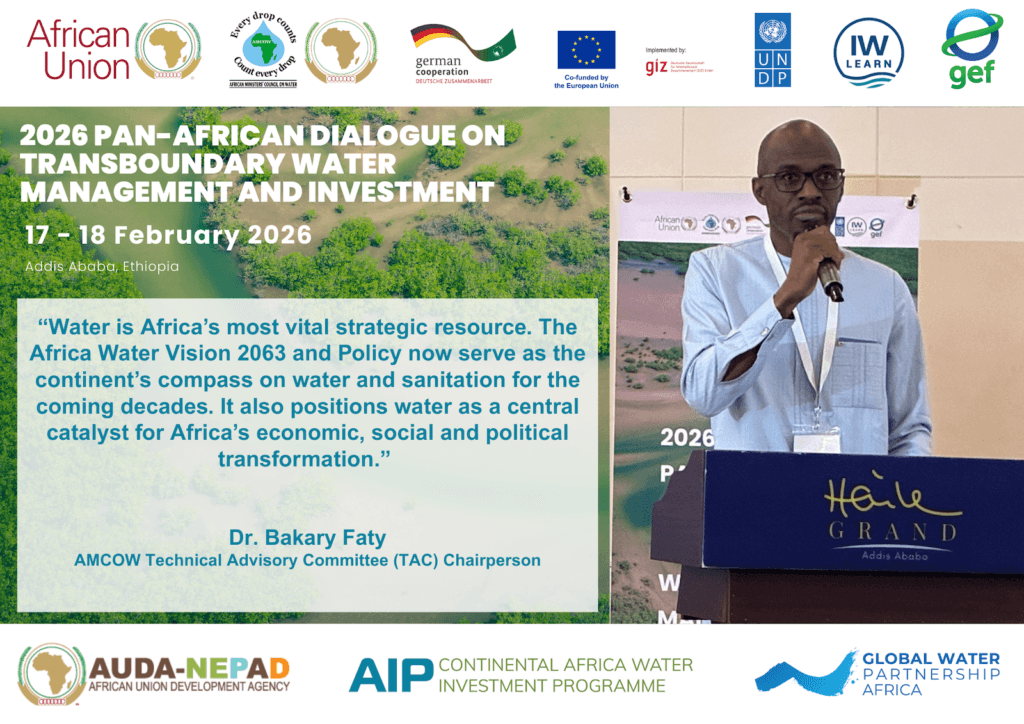
While participants acknowledged that Africa has developed strong policy frameworks and institutional arrangements for water cooperation, they emphasised that the key challenge now lies in implementation.
The European Union reaffirmed that transboundary cooperation must be embedded at the heart of implementation, not treated as an afterthought.
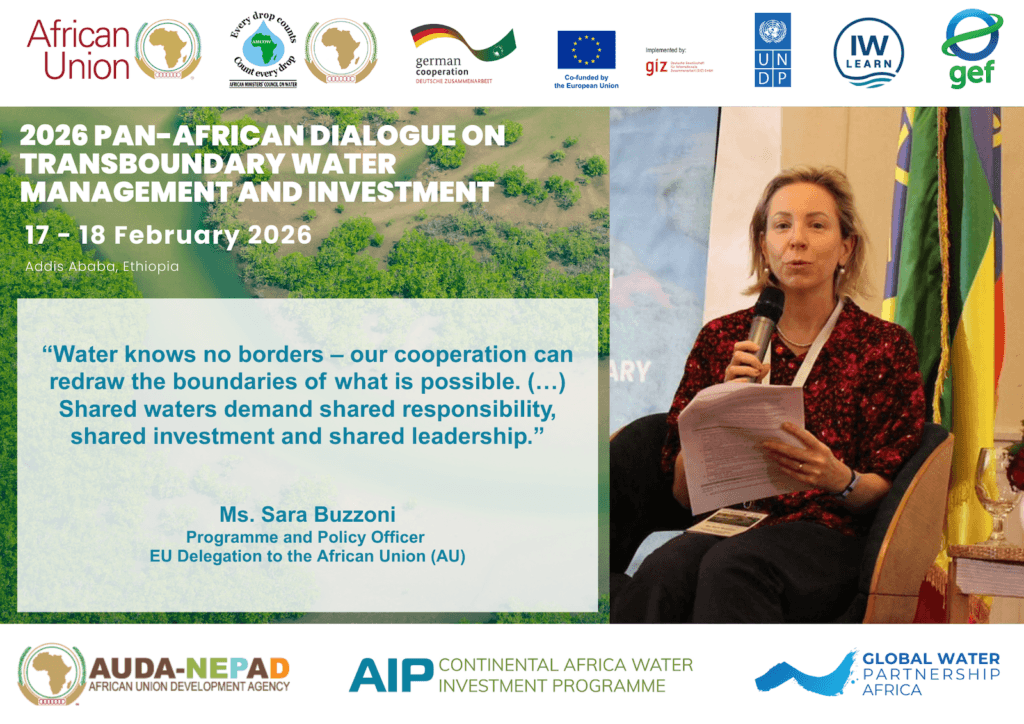
Through the Team Europe Initiative on Transboundary Water Management in Africa, €672 million has already been mobilised to strengthen cooperation across shared basins – with the ambition to reach 60% of Africa’s basins and benefit up to 900 million people.
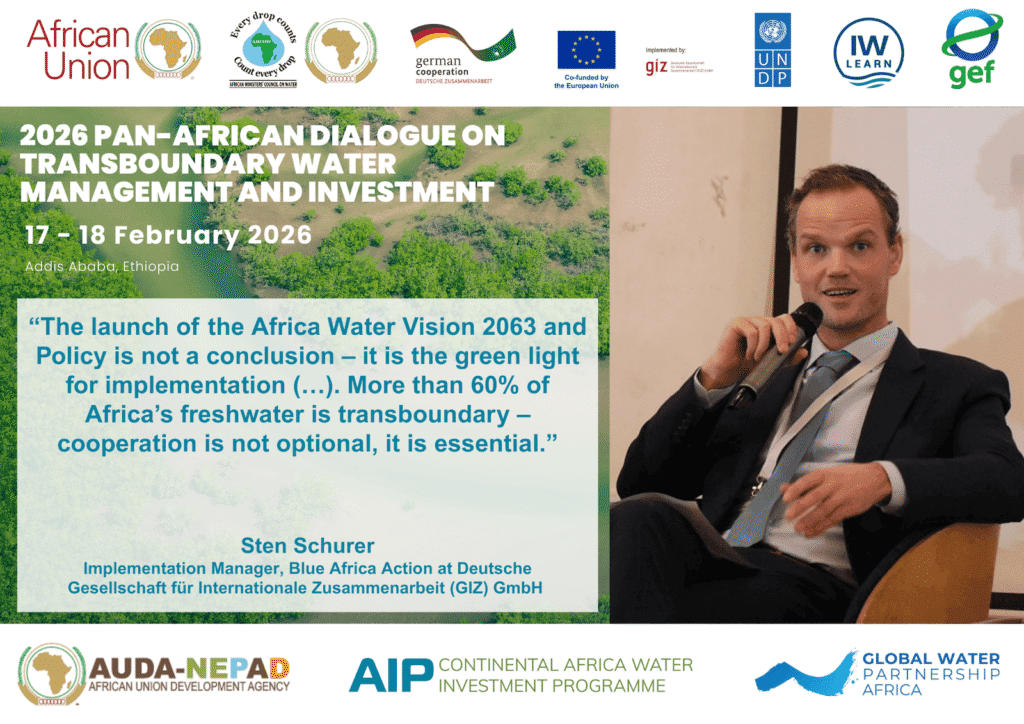
Blue Africa Action, co-funded by the EU and the Government of Germany, continues to support the African Union Commission and AMCOW in strengthening continental coordination and basin-level governance.
Addressing the Barriers to Effective Cooperation
The Dialogue identified several structural barriers that continue to hinder effective transboundary water management across the continent.
Governance and coordination gaps remain a major challenge, with weak alignment between agreements, institutions, and implementation mechanisms. Limited operational capacity and trust deficits between key actors can also slow progress.
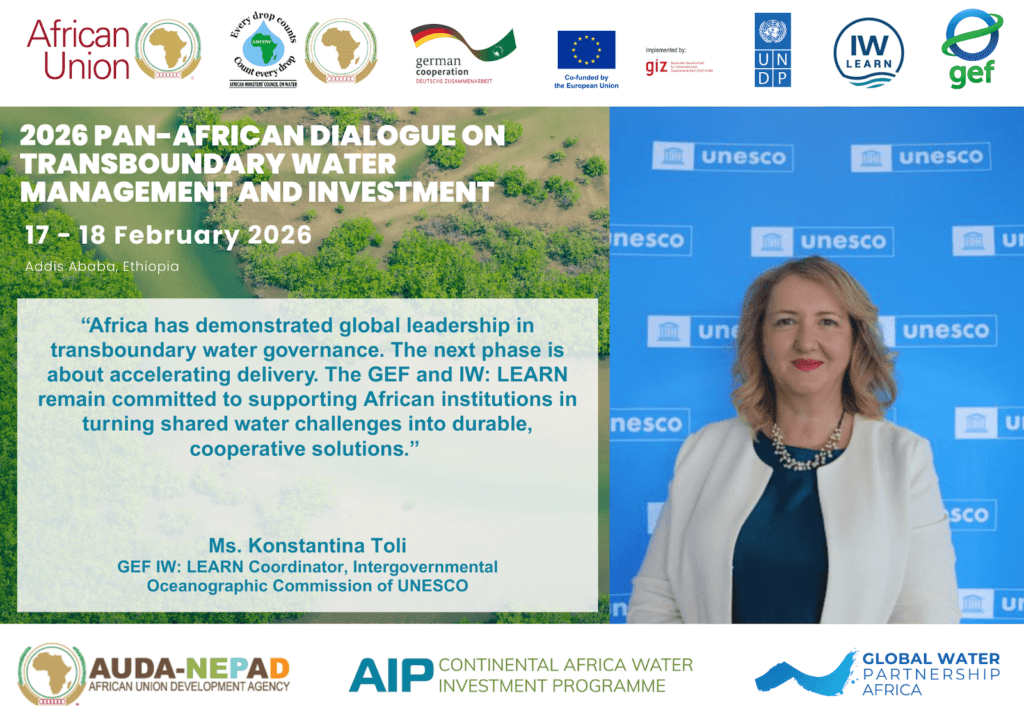
GEF IW: LEARN, a project implemented by UNDP and UNEP and executed by the Intergovernmental Oceanographic Commission of UNESCO, underscored the significance of the 2026 Continental-Level Consultation & Exchange Event on Transboundary Water Cooperation stating that across the continent, strong legal frameworks and basin institutions already exist, but that there was a disconnect between transboundary agreements, technical and institutional capacities, and action on the ground.
Financing was identified as another critical constraint. Despite the importance of transboundary water cooperation, it remains underfunded compared to national water infrastructure and water supply programmes. Participants noted that fragmented investment approaches often increase political and financial risks for regional projects.
In addition, the consultation highlighted persistent gaps in data sharing, monitoring, and knowledge systems, which undermine effective planning and the development of bankable investment projects. Climate change is further compounding these challenges through increased frequency and intensity of floods, droughts, and ecosystem pressures.
Participants agreed that addressing these constraints requires coordinated action across countries, sectors, and institutions.
Strengthening Basin Institutions and Investment Readiness
River and aquifer basin organisations were identified as central to enabling effective cooperation and scaling up investment.
Well-functioning basin institutions play a critical role in facilitating joint planning, data sharing, and coordinated decision-making among riparian states. However, many of these organisations remain under-resourced and require strengthened financial and technical capacity.
Discussions also highlighted the importance of shifting from dialogue-focused cooperation toward investment-oriented collaboration that can deliver tangible development outcomes. This includes aligning technical evidence with financial requirements to improve the bankability of regional water projects.
Participants emphasised that cooperation often deepens when countries recognise shared risks, particularly those related to climate variability, and work together to address them through joint risk assessments, shared data platforms, and coordinated planning.
Building a Practical Continental Dialogue for Implementation
A key outcome of the consultation was the agreement to strengthen the Africa Transboundary Dialogue as a multi-year technical platform to support implementation of the Africa Water Vision and Policy 2063.
Participants noted that while knowledge and experience exist across the continent, lessons and tools are often fragmented and not systematically shared. A stronger continental platform would help consolidate best practices, support peer learning among basins, and accelerate the development of investment-ready projects.
The Dialogue also highlighted the need to broaden participation beyond the water sector to include actors from finance, agriculture, energy, climate science, urban planning, and parliaments. Such cross-sector engagement is essential for advancing integrated approaches such as the water-energy-food-ecosystems nexus.
Key Priorities for the Next Phase
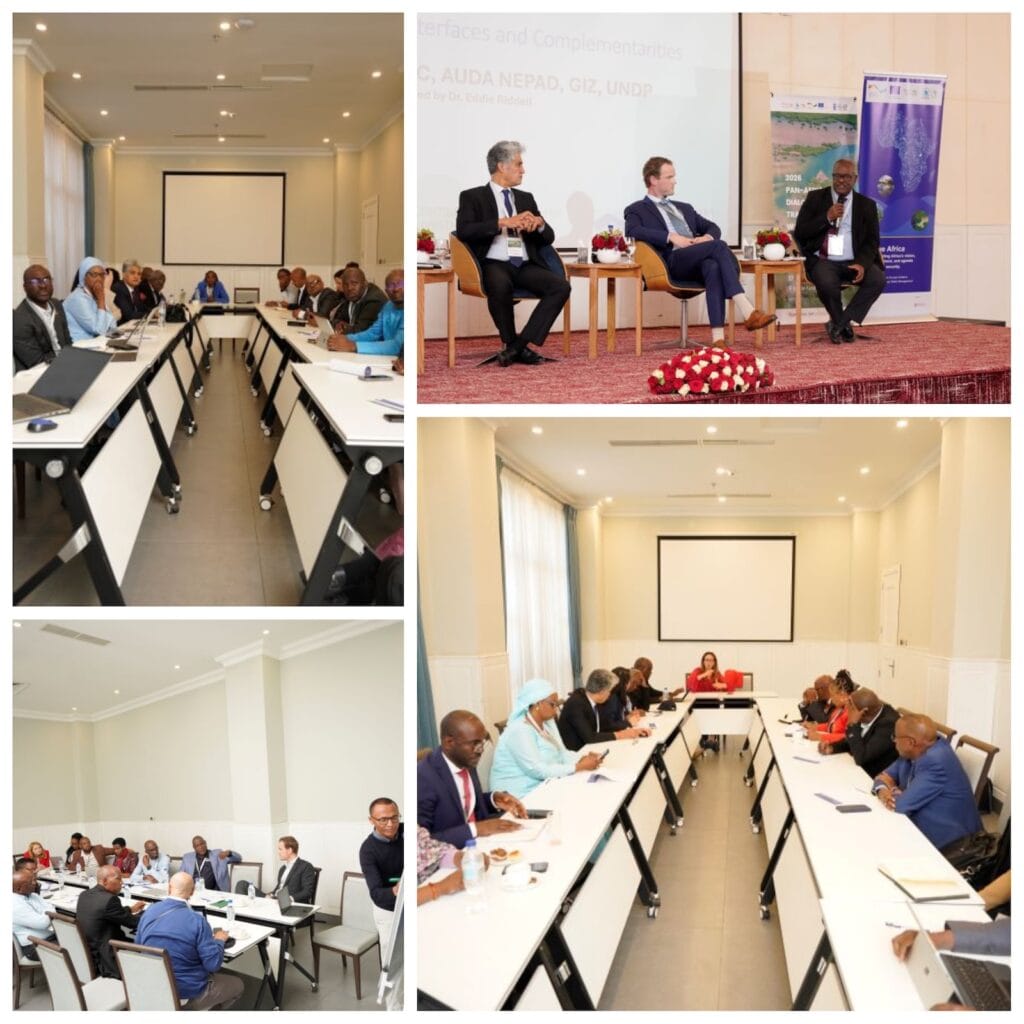
Working groups identified several priority areas to inform the first phase of the implementation plan for the Africa Water Vision and Policy 2063.
Among these is the need to improve access to climate finance for transboundary initiatives, which currently face structural barriers because most funding mechanisms are designed for national projects. Participants called for clearer pathways to support multi-country proposals and stronger coordination between national climate authorities and basin organisations.
Another priority is strengthening data interoperability and monitoring systems. While many digital tools and platforms already exist, weak data sharing protocols and limited financing for monitoring infrastructure continue to limit their effectiveness.
Participants stressed that improving data governance, establishing common standards, and investing in monitoring networks will be essential to support basin planning, early warning systems, and climate resilience.