
The AU-AIP Multi-Country Green Climate Fund (GCF) Readiness Support Initiative is supporting African Union Member States to strengthen institutional capacity, improve access to climate finance and advance climate-resilient water investments. The AU project is funded by the Green Climate Fund, with implementation supported by the Continental Africa Water Investment Programme (AIP) Secretariat, hosted by the Global Water Partnership Southern Africa (GWPSA).
From April to August 2026, participating AU Member States undertook various activities in a bid to improve their capacity to access climate finance, develop Water Investment Programmes and Concept Notes, among others. Here is an account of the milestones under the project during this period.
Sierra Leone Kickstarts Development of a Climate Resilient Water Investment Program
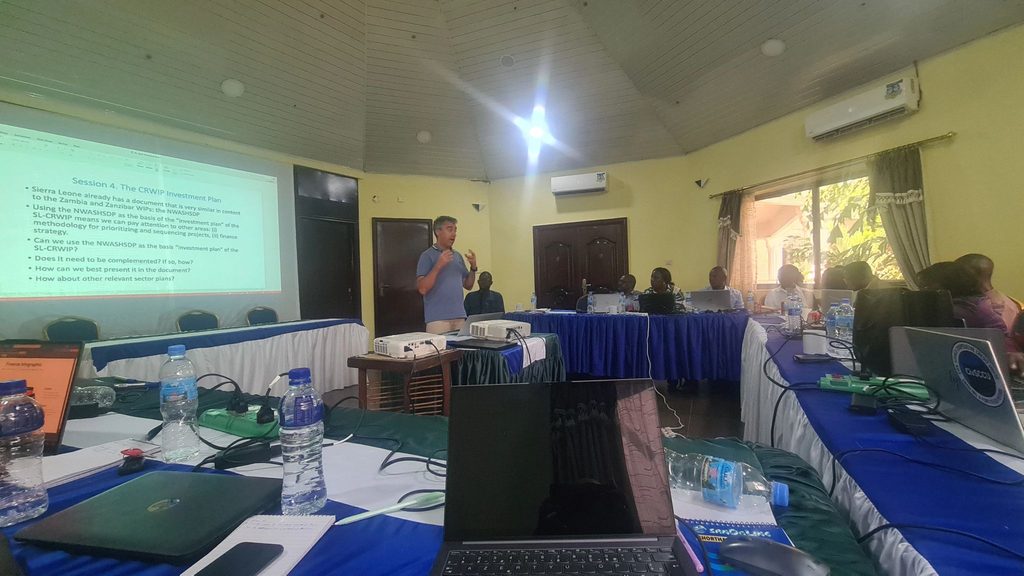
Sierra Leone held a Workshop in Freetown on the development of the country’s Climate Resilient Water Investment Program from 20 to 24 April 2026. Participants were also trained on Climate Finance & GCF Project Preparations.
The first session, held from 20–22 April, focused on the initiation of the Sierra Leone Climate Resilient Investment for Water Programme (CRWIP), within the framework of the African Water Investment Programme (AIP).
The objectives of the first session included to
– Develop a structured, costed and operational plan for water investment
– Identify funding gaps and develop bankable projects
– Ensure consistency with national priorities and climate strategies
– Promoting inclusive and gender-responsive approaches
This was a critical step in mobilizing climate finance and building the resilience of Sierra Leone’s water sector.
Morocco Develops GCF Concept Note on Flood Protection for the City of Fez
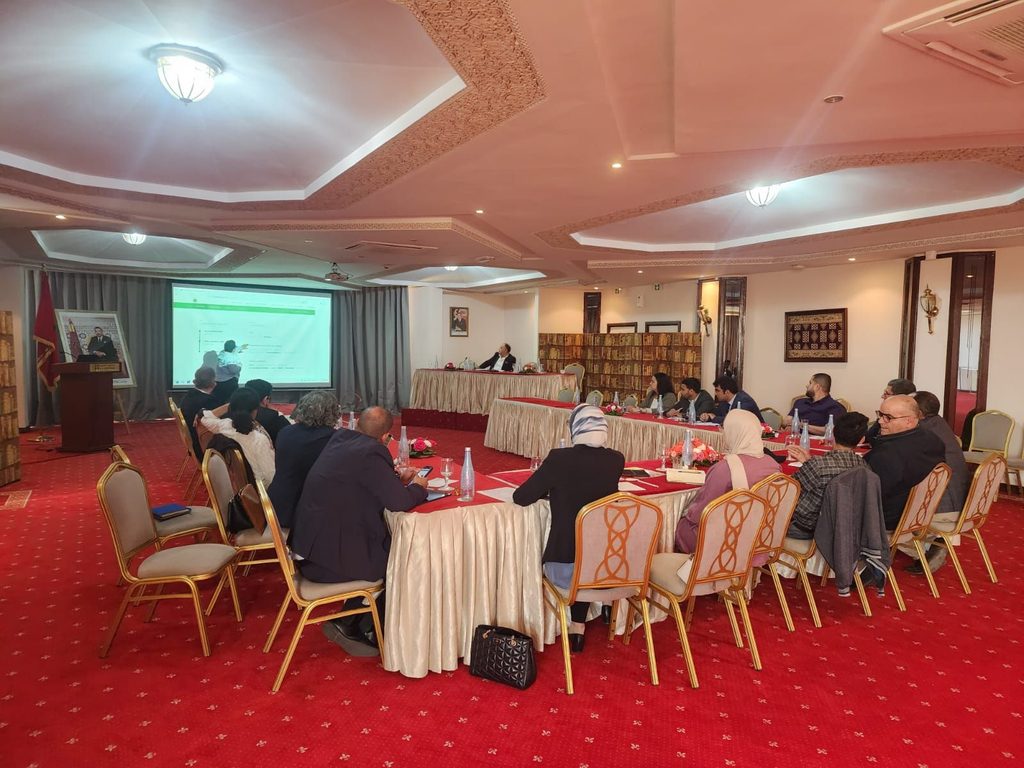
Morocco held a two-day stakeholder workshop from 19 to 20 May 2026 focused on advancing development of a Green Climate Fund (GCF) Concept Note aimed at protecting the city of Fez and the wider Sebou Basin from increasing flood risks linked to climate change.
The initiative forms part of the African Union led AU-AIP GCF Multi-Country Readiness Support Initiative, implemented through the Global Water Partnership Southern Africa in collaboration with GWP regions, including the Global Water Partnership Mediterranean. Morocco is among 15 African countries benefiting from the programme, which among others seeks to strengthen their capacities to prepare climate-resilient water investments and develop bankable climate projects.
Discussions during the workshop brought together key stakeholders to review the proposed project scope, financing considerations, technical requirements, and alignment with GCF investment criteria.
The Sebou Basin, which represents nearly 30% of Morocco’s surface water potential, faces increasing climate pressures, including severe droughts and devastating flash floods. Studies have identified 178 flood-prone sites in the basin, including 52 priority sites in Fez, highlighting the urgency for investment in resilience measures.
The workshop also emphasized the importance of moving from reactive flood response to a more integrated and proactive approach to climate resilience.
Burundi Kickstarts Process of Developing its Water Investment Programme
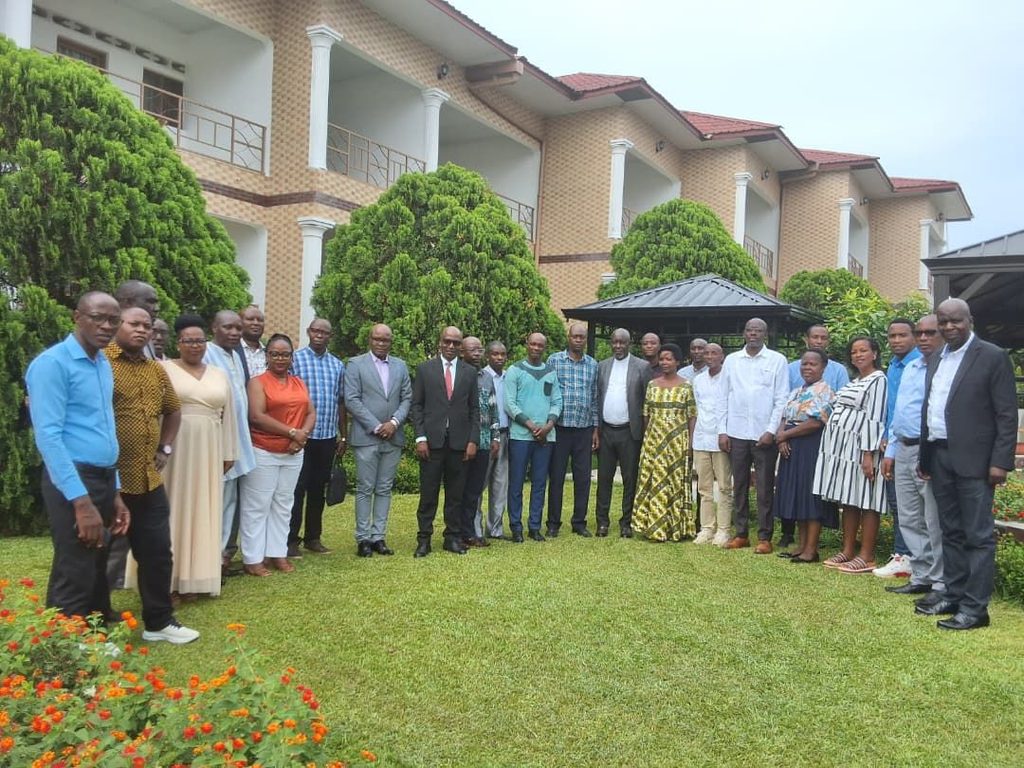
Burundi officially launched the process of developing its Water Investment Programme (WIP) at a meeting held on May 14, in Bujumbura. About thirty stakeholders attended the meeting.
The process started with the development of a roadmap, with the focus now being on conducting a situational analysis which will help identify priority areas for the WIP.
The meeting was held under the auspices of the Green Climate Fund (GCF) National Designated Authority (NDA) for Burundi, Mr Diomede Ndayirukiye, who stressed the importance of the process and echoed the comments of participants on the need to strengthen governance, and adopt an integrated approach with water at the center of the operationalisation of other sub-sectors such as Agriculture and Energy.
On May 15, participants kick-started the development of two concept notes to be submitted to the GCF. The session began with a crash course on GCF programming as well as process for developing and submitting concept notes to the GCF.
In parallel, the country launched the process of identifying potential Direct Access Entities (DAEs) interested to carry and submit the concept notes to the GCF.
Burundi is one of fifteen African countries implementing the AU-AIP GCF Multi-Country Readiness Support Initiative which GWPSA is implementing on behalf of the African Union Commission and is funded by the Green Climate Fund.
Strengthening Somalia’s Readiness for GCF Direct Access Accreditation
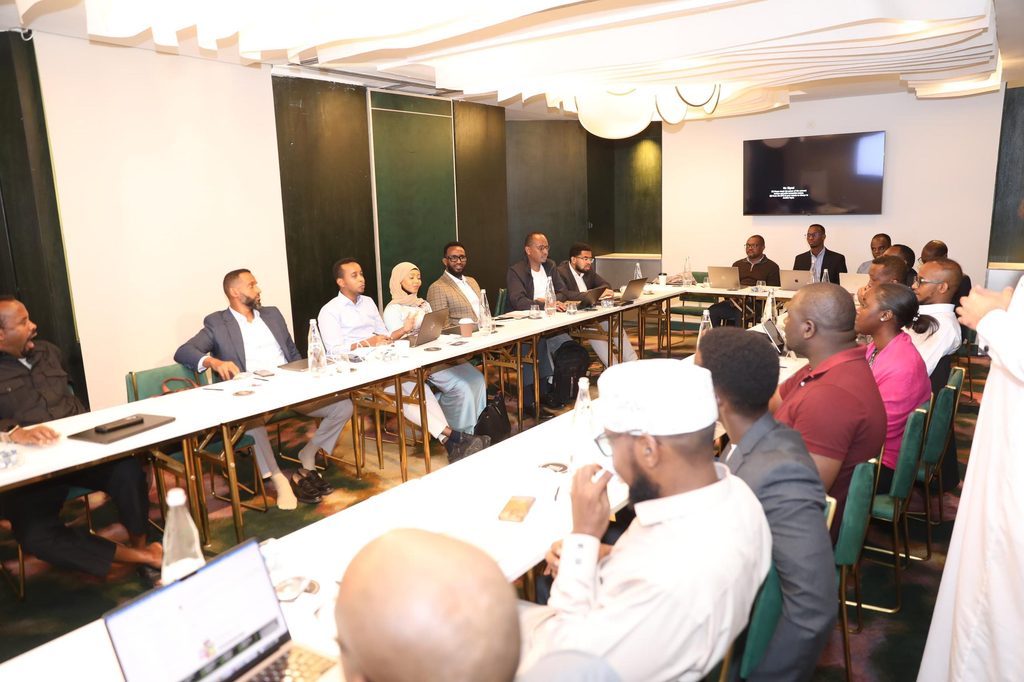
The AU-AIP Multi-Country GCF Readiness Initiative is supporting Somalia to strengthen its institutional capacity and readiness to access climate finance directly. As part of this effort, the Global Water Partnership Southern Africa (GWPSA), in collaboration with Somalia’s National Climate Fund (NCF) Office, convened a Direct Access Accreditation Training Programme in April 2026, in Nairobi, Kenya.
The training brought together key national institutions and stakeholders to build a shared understanding of the requirements for Green Climate Fund (GCF) Direct Access Accreditation. Participants explored fiduciary standards, environmental and social safeguards, gender requirements, accreditation pathways and the institutional systems needed to meet GCF requirements.
Beyond strengthening knowledge, the training provided a practical platform for participating institutions to identify priority actions and clarify the steps required to advance the accreditation process. The Ministry of Finance and the Somali Development and Reconstruction Bank (SDRB), together with other potential national entities, made progress in developing action plans and roadmaps towards GCF accreditation.
The activity contributes to Somalia’s broader efforts to strengthen national systems for accessing climate finance and to position capable national institutions to play a greater role in financing climate-resilient development.
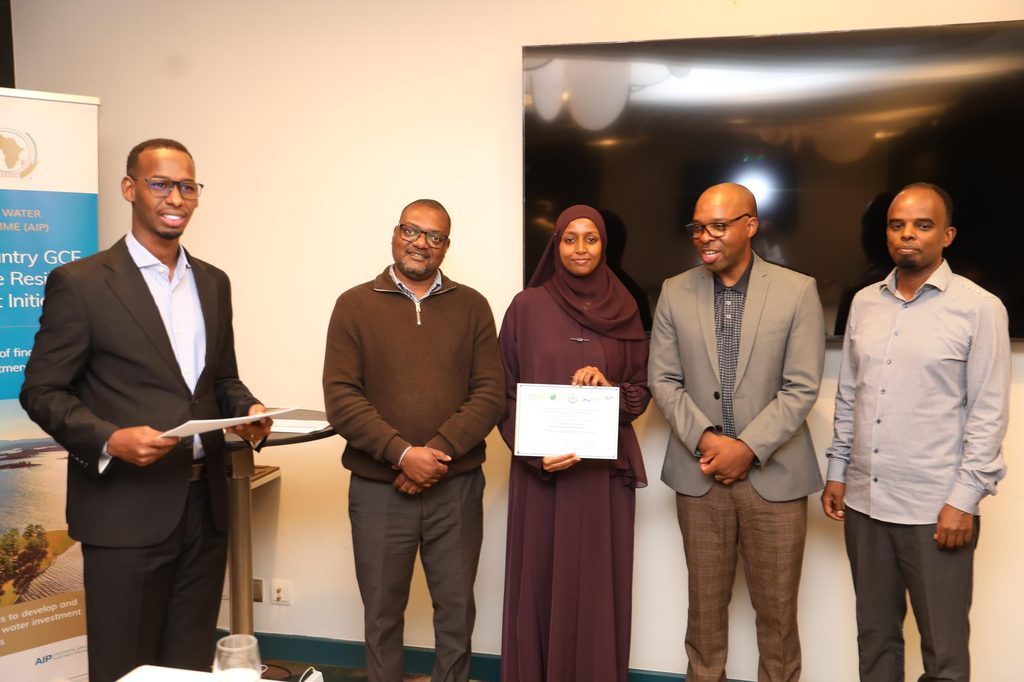
Somalia Validates its Climate-Resilient Urban Water Security Concept Note and Water Investment Programme
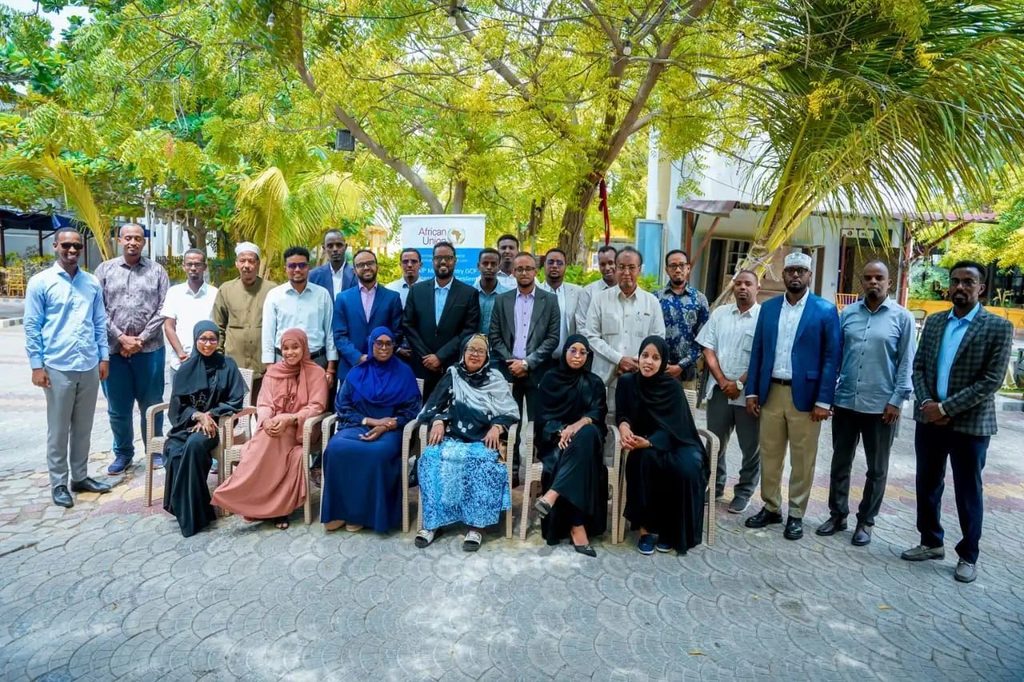
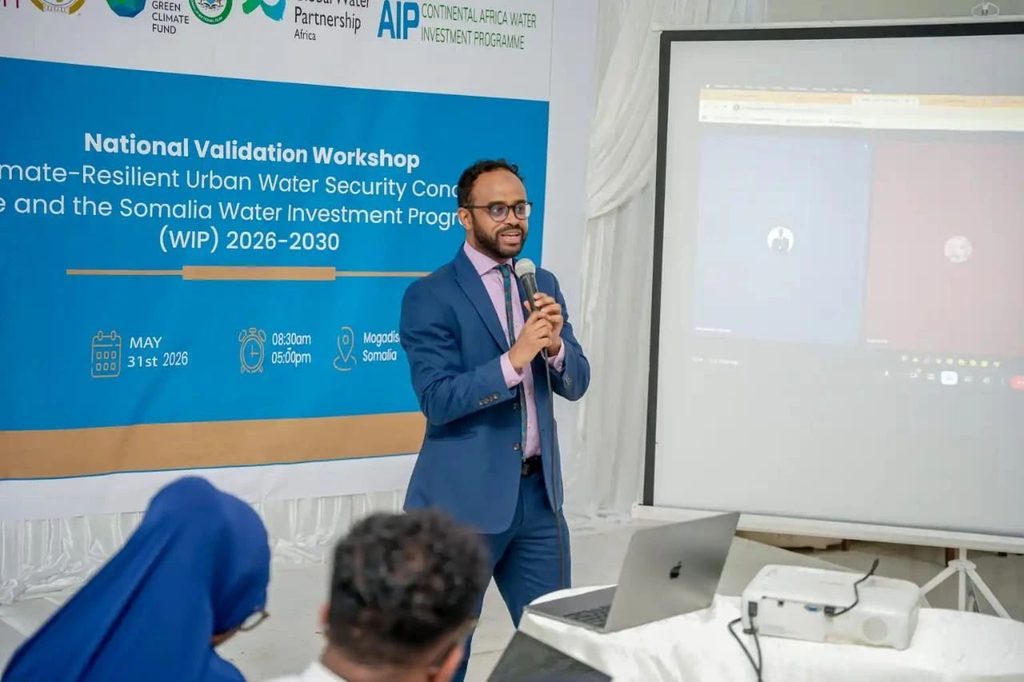
Somalia validated its newly developed Climate-Resilient Urban Water Security Concept Note and the Somalia Water Investment Programme (WIP) 2026-2030 at a National Validation Workshop held on Sunday, May 31. The workshop was organized by Somalia’s National Designated Authority (NDA) and the Global Water Partnership Southern Africa (GWPSA) in collaboration with Somalia’s Ministry of Energy and Water Resources (MoEWR) and the Pipeline Development Expert. The workshop brought together approximately 30 participants from key stakeholder institutions.
The workshop was held to test whether the proposed Urban Water Security Concept Note responds to the real drivers of water insecurity in target towns, and whether the WIP provides a coherent, nationally aligned and investment-ready framework for mobilizing domestic resources, grants, concessional finance, climate finance and private capital for Somalia’s water sector.
The concept note proposes to break the recurring cycle of water unavailability, water loss, unstable supply, rising costs and deepening vulnerability; while the Somalia WIP provides the national investment framework within which this concept note will be positioned. The WIP translates Somalia’s water sector priorities into a sequenced investment portfolio.
The validation workshop was held under the AU-AIP Multi-Country GCF Readiness Project, currently being implemented in 15 AU Member States by the African Union Commission, with technical support from the Global Water Partnership Southern Africa, which serves as the Secretariat for the AU Continental Africa Water Investment Programme. The project is funded by the Green Climate Fund.
Chad Begins Consultative Process for GCF Concept Note Development
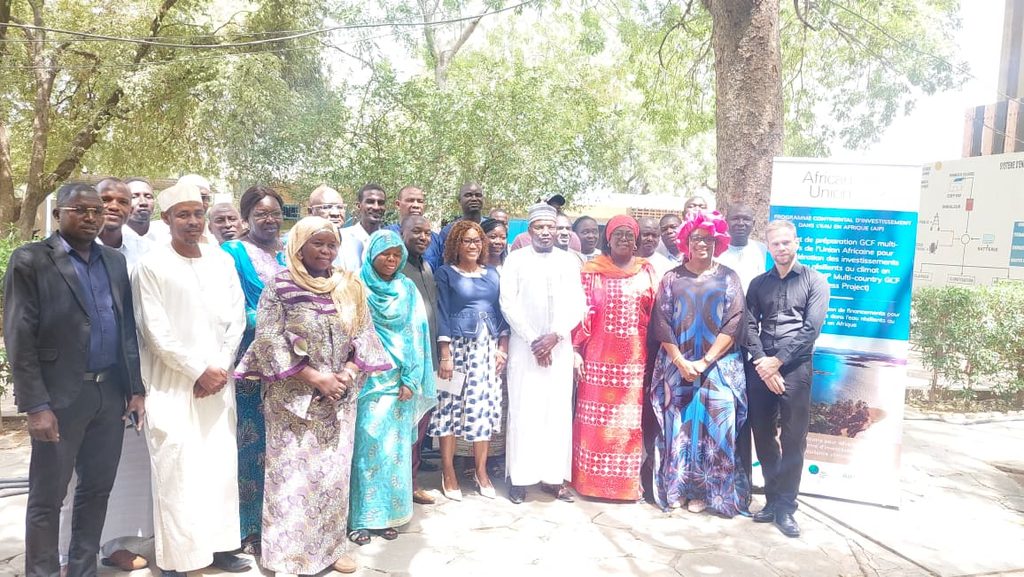
In April 2026, Chad begun a consultative process to develop a concept note for submission to the Green Climate Fund (GCF), marking an important step in strengthening the country’s pipeline of climate finance projects.
The inception workshop brought together stakeholders to initiate discussions around the development of the concept note and provide a platform for national institutions and other relevant actors to contribute to the process. The consultations are intended to help shape a concept that responds to Chad’s priorities while meeting the requirements of the GCF.
A critical element of the process is the identification of an appropriate Access Entity that is able and willing to submit the proposed project to the GCF. This will be important in advancing the concept from development towards formal submission and potential financing.
The activity is complemented by broader capacity-building support on GCF programming and project preparation, helping stakeholders strengthen their understanding of climate finance requirements and the processes involved in developing fundable project proposals.
Strengthening Climate Finance Programming and Project Preparation Capacity in Chad
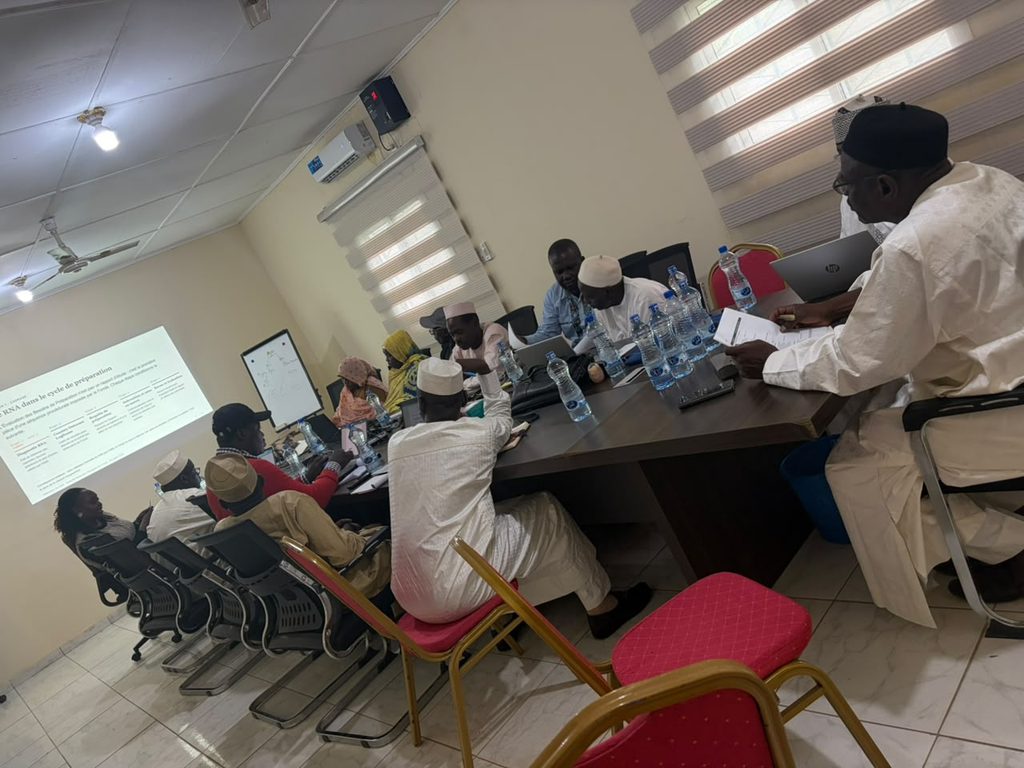
Stakeholders from government institutions, research organizations, civil society and the media in Chad convened for a training in July 2026, to strengthen their capacity to develop and prepare projects for climate finance through support under the AU-AIP Multi-Country GCF Readiness Initiative.
A capacity-building workshop in N’Djamena provided participants with practical knowledge on Green Climate Fund (GCF) programming and project preparation. The sessions covered key elements required when developing a concept note, including establishing a clear climate rationale, defining investment criteria and developing logical frameworks with appropriate monitoring and evaluation arrangements.
Participants also explored the roles of different actors involved in the concept note submission process, the steps required to advance proposals and the various pathways and financial instruments available for accessing GCF resources. The training brought together approximately 35 participants, including women representing 20 percent of participation.
The capacity-building activity formed part of a broader process to strengthen Chad’s readiness to access climate finance and improve the quality of projects submitted for consideration. It also complemented an inception workshop that initiated consultations on the development of a concept note for submission to the GCF.
Tunisia Undertakes Efforts to Transform National Climate Commitments into Bankable Investment Opportunities
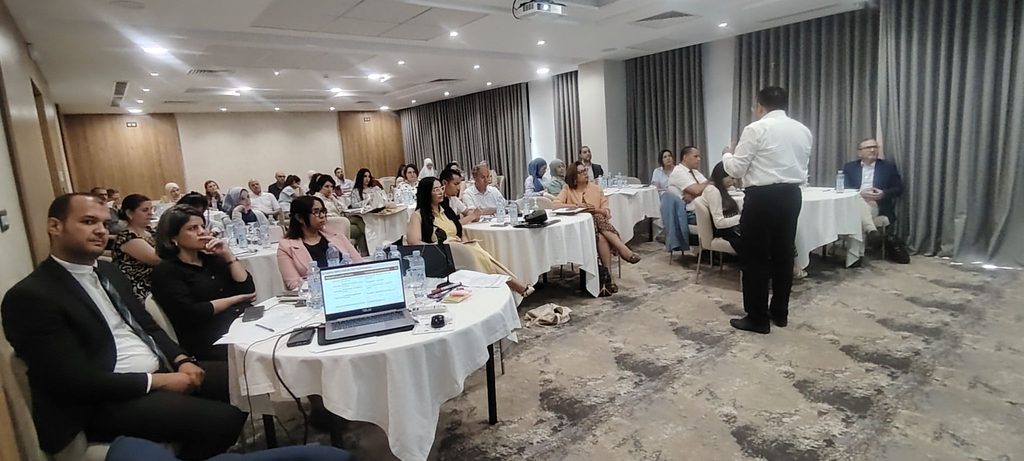
How can national climate commitments be transformed into bankable investment opportunities driven by the most effective and context appropriate climate technologies? This is the challenge that the Caisse des Dépôts et Consignations has set itself in supporting Tunisia’s transition towards a low carbon, climate resilient development pathway.
To advance this ambition, more than 40 stakeholders from across the public and private sectors, academia and civil society convened in Tunis on 26 June 2026 under the AU-AIP GCF Multi-country Readiness Project, to examine and discuss the financial, regulatory, technical and institutional barriers that continue to hinder the adoption, deployment and scaling of climate technologies.
Building on the mitigation and adaptation priorities identified in Tunisia’s NDC3.0, participants structured these challenges around 4 Ecosystem Nexus domains. These interconnected clusters, where multiple sectors converge, provide a strategic framework for identifying technology portfolios capable of addressing several development challenges simultaneously while maximizing cross sectoral synergies.
The four priority nexus areas are:
- Sustainable Construction and Climate Resilient Urban Development, focusing on energy efficiency, bio-based construction materials, passive thermal solutions and climate resilient urban planning.
- Smart and Decarbonized Mobility, promoting the integration of clean energy solutions, optimized transport and logistics systems, and low carbon mobility options.
- Low Carbon Industry and Circular Economy, supporting industrial recycling, waste valorization and energy efficient production processes.
- The Water-Energy-Food-Ecosystems WEFE Nexus, strengthening synergies between water security, energy transition, decarbonized and resilient food systems and ecosystem conservation.
The technology portfolios identified through this process will subsequently be translated into scalable, financially viable, and investment ready business models capable of mobilizing both public and private capital and accelerating implementation at scale.
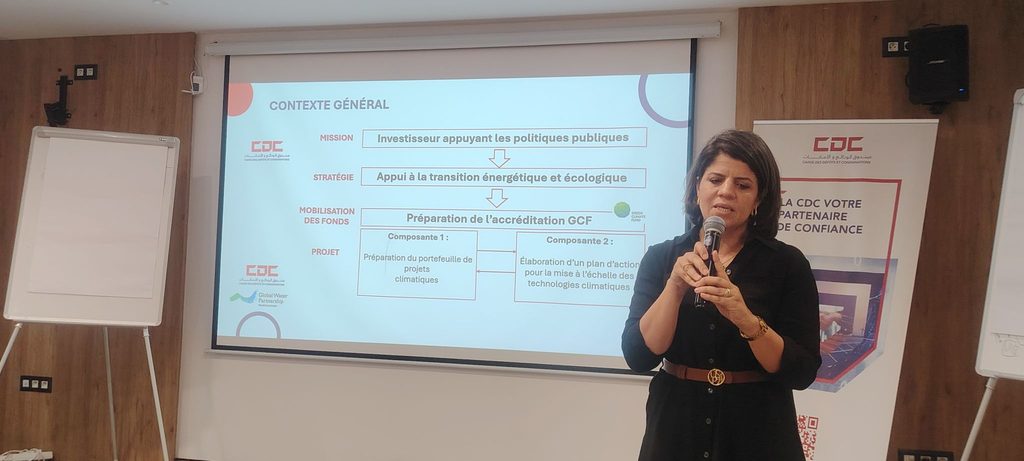
The outcomes of the workshop will serve as key inputs to CDC’s action plan for the development and implementation of high impact climate technology projects and programmes, fully aligned with the priorities of Tunisia’s NDC 3.0.
Republic of the Congo Launches Strategic Process to Strengthen Climate-Resilient Water Investments
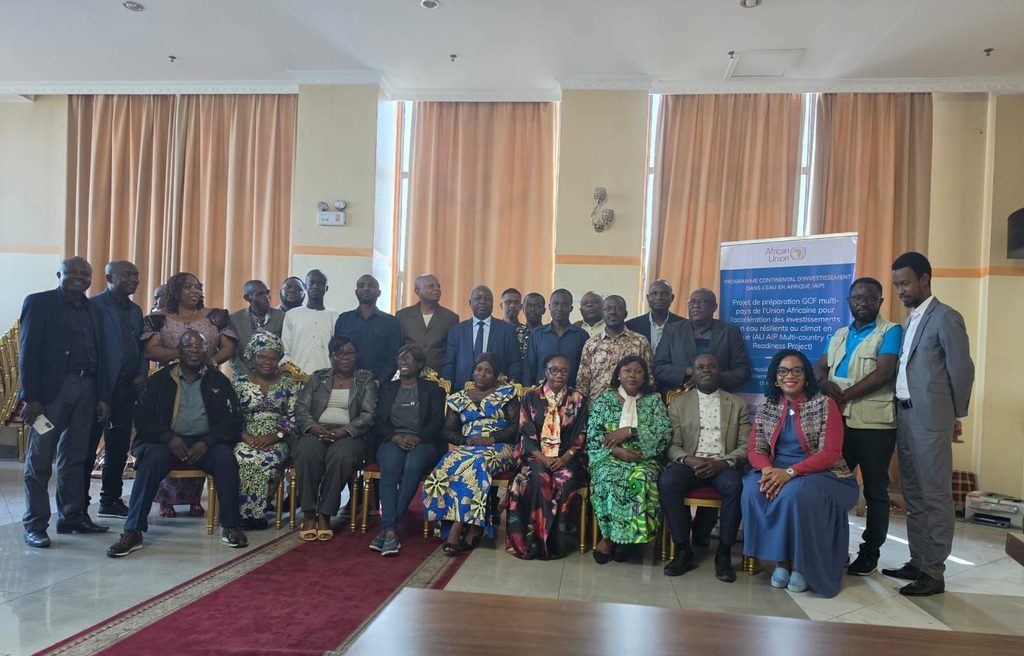
The Republic of Congo is strengthening its pipeline of climate investment projects, with stakeholders prioritising potential GCF-supported investments and launching the development of a National Investment Programme under the AU-AIP Multi-Country GCF Readiness Support Project.
The series of workshops, convened from 21 to 23 July, by the Global Water Partnership Southern Africa (GWPSA), in collaboration with GWP Central Africa and the Country Water Partnership Congo, on behalf of Congo’s Ministry of Environment, focused on strengthening institutional readiness and developing investment opportunities that can attract Green Climate Fund (GCF) financing.
Stakeholders assessed the country’s preparedness to access and manage GCF resources, with discussions focusing on institutional capacity and coordination mechanisms. The programme also introduced participants to the development of bankable GCF concept notes, enabling them to apply a multi-criteria approach aligned with GCF investment criteria to prioritise pre-selected project ideas.
The workshops further launched the development of Congo’s National Investment Programme, which will provide a consolidated view of the country’s investment needs and identify opportunities to mobilise and leverage climate finance.
The next steps will include mapping key stakeholders across the programme’s components and conducting targeted consultations to refine the inputs gathered and strengthen the emerging investment pipeline.