
Article by Andrew Takawira, Interim Executive Secretary, Global Water Partnership Southern Africa (GWPSA)
Each year, World Water Day, an annual United Nations observance, offers the global community an opportunity to reflect on progress and renew commitment toward achieving water security for all. In 2026, the theme “Water and Gender” comes at a particularly important time for Africa.
The African Union has declared 2026 the Year of “Assuring Sustainable Water Availability and Safe Sanitation Systems to Achieve the Goals of Agenda 2063.” This theme recognizes that water and sanitation are not peripheral development issues, but are central to Africa’s economic transformation, climate resilience, public health, and human dignity. At the heart of this transformation lies an equally important reality: gender equality.
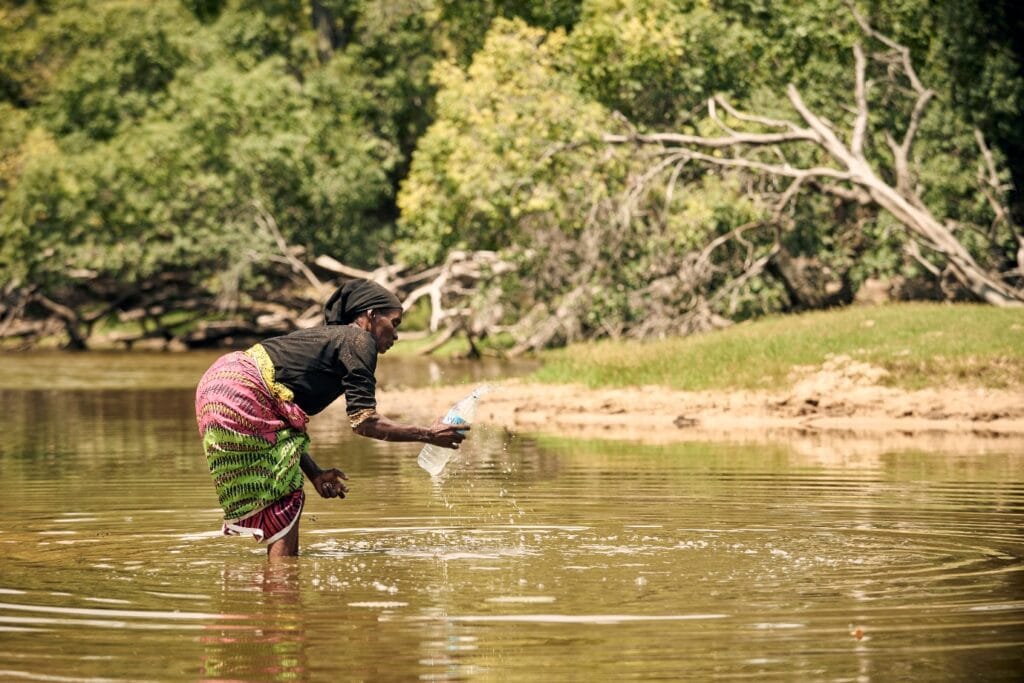
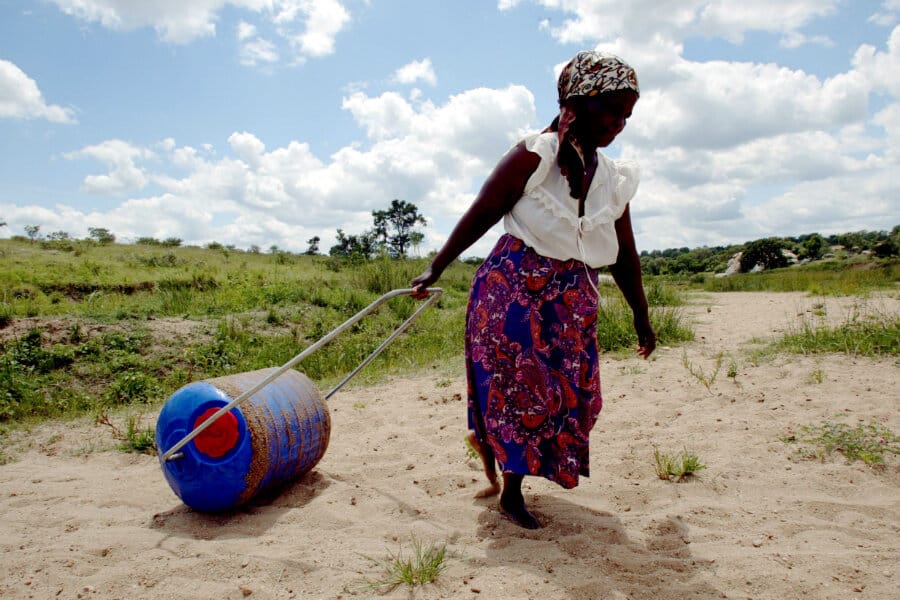
Across Africa, the reality of water insecurity is lived most heavily by women and girls. It is the young girl who wakes before dawn to fetch water before school, the mother who walks long distances each day carrying heavy containers, and the caregiver who must manage household sanitation and protect her family’s health with limited resources. Yet, despite carrying this responsibility, their voices are too often absent from the decisions that shape how water is managed, financed, and delivered.
This imbalance is not only unjust, but it also weakens the very solutions we are trying to build. When those who experience these challenges, most directly are excluded, water systems become less effective, less sustainable, and less inclusive.
World Water Day 2026 calls for a shift: from seeing women and girls simply as recipients of water services, to recognising them as leaders, decision-makers, and agents of change. It is about moving from a story where they are carrying the burden, to one where they are shaping the solutions bringing their lived experience, insight, and leadership to the forefront of how water is governed, invested in, and sustained.
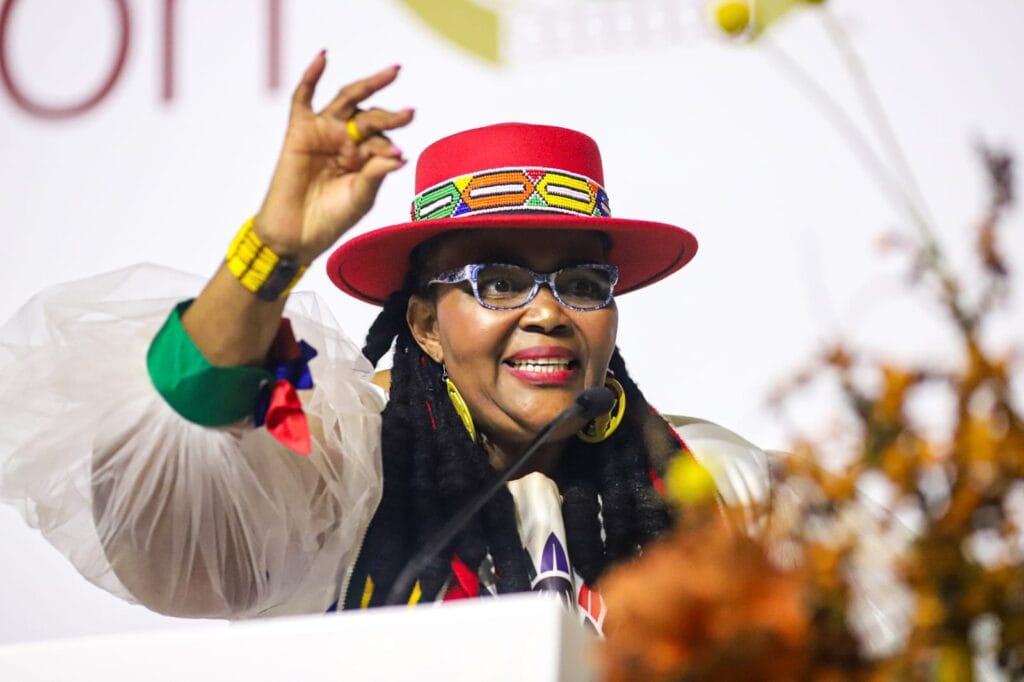
Honourable Pemmy Majodina, South Africa’s Minister of Water, the host Minister of the inaugural AU-AIP Africa Water Investment Summit 2025, a key platform that elevated water to the global agenda
We Need Structural Changes to Water Solutions
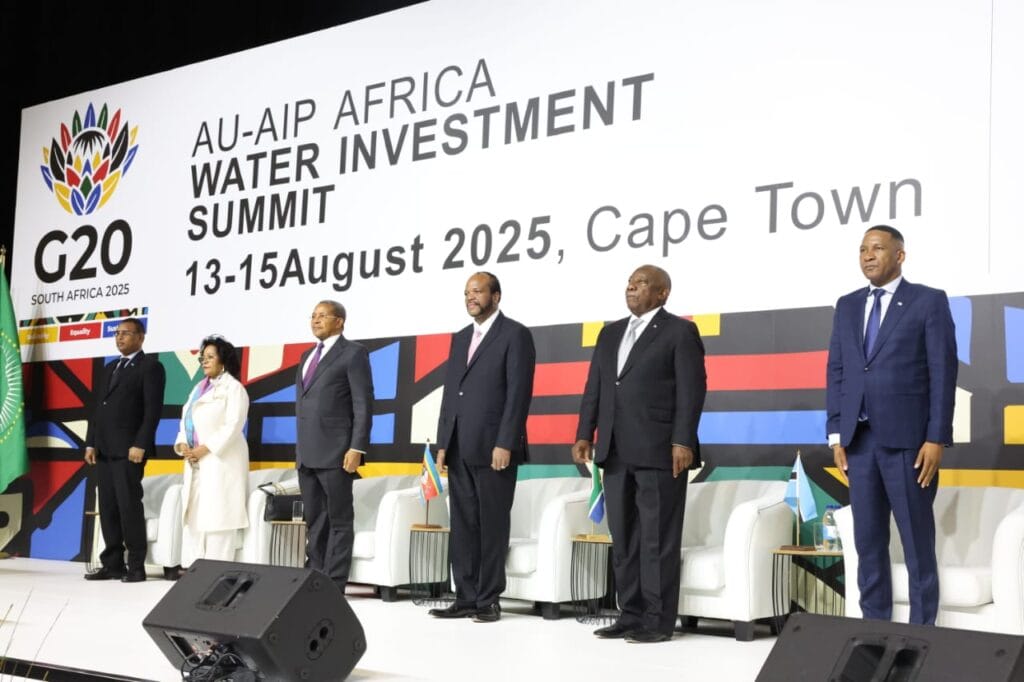
Heads of State & Government, and heads of Institutions at the AU-AIP Africa Water Investment Summit 2025. In the picture (R-L): H.E Duma Boko, President of Botswana, H.E Cyril Ramaphosa, President of South Africa, and then G20 President and host of the Summit, HRH King Mswati III of Eswatini, H.E Jakaya Kikwete, Former President of Tanzanian, H.E Nardos Bekele Thomas, CEO of AUDA-NEPAD, and H.E Jibril Abdirashid Haji Abdi, Deputy Prime Minister of Somalia
Over the past year, the world has witnessed a significant shift in how water is positioned within Africa’s development agenda. From hosting the inaugural AU-Africa Water Investment Summit 2025 in Cape Town, to the African Union designation of water and sanitation as the central focus for Africa’s transformation in 2026. Water security is now firmly recognised as a strategic driver of economic growth, regional integration, and climate resilience. Through the Continental Africa Water Investment Programme (AIP), an African Union initiative under the African Union Commission and anchored within the Programme for Infrastructure Development (PIDA) in Africa – and implemented by GWPSA in its capacity as the AIP Secretariat, countries are increasingly focusing on developing bankable, climate-resilient water investment programmes, strengthening governance systems, and mobilising financing at scale. Gender equality is one of the key pillars of the AIP advanced through the Water, Climate, Development and Gender Programme (WACDEP-G). This programme promotes gender transformative approaches that go beyond inclusion seeking to shift power dynamics and strengthen women’s leadership.
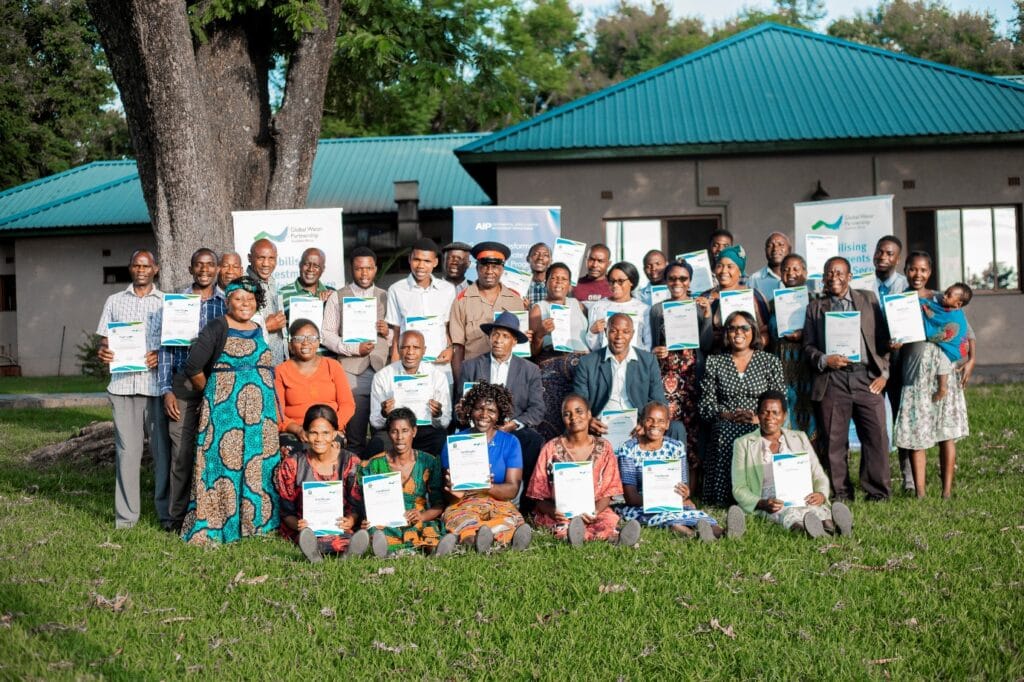
A training in Zambia on gender transformative approaches
As we scale investments and strengthen institutions, we must ask a critical question: who benefits, and who decides?
Gender equality must be embedded at the core of water governance and investment frameworks. This is a developmental imperative. Evidence consistently shows that when women participate meaningfully in water management, systems are more responsive to community needs, services are more sustainable, and outcomes are more equitable.
At GWPSA, our work across 2025 and into 2026 reflects a deepening commitment to integrating gender across the technical, financial, and institutional dimensions of water security. This spans the implementation of Gender Action Plans across our transboundary portfolio ensuring that gender considerations move from planning into practical, on-the-ground action.
In parallel, we are working with partners such as United Nations Convention to Combat Desertification and African Development Bank to develop gender-sensitive drought vulnerability assessments that directly inform investment planning. Through the African Union Commission’s multi-country GCF Readiness programme, we are also supporting 15 countries to develop climate-resilient water security investment plans that embed gender as a core principle.
Across all these efforts, we aim to ensure that gender is not treated as an add-on, but as a foundational element shaping how water systems are designed, financed, and sustained.
GWPSA and its partners recognize that strengthening governance, leadership, and investment must include deliberate efforts to elevate women’s voices in decision-making spaces, from local water user associations to continental policy platforms.
The GWP Strategy 2026–2030 reinforces this direction, placing inclusion, resilience, and systems transformation at the centre of water security efforts. It recognises that achieving sustainable and climate-resilient water outcomes requires embedding gender equality not only in policy commitments, but in the design of investments, governance structures, and implementation mechanisms. In this context, gender is positioned not as a standalone theme, but as a cross-cutting driver of impact ensuring that water solutions are more equitable, more effective, and better aligned with the realities of the communities they serve.
The Need to Utilize Partnerships in the Water Sector to Empower Women
The scale and complexity of Africa’s water challenges require coordinated action. No single institution can deliver gender-responsive water security alone. Progress depends on strong partnerships between governments, regional organisations, development partners, the private sector, and communities.
We must therefore move beyond commitments. This means, among others, embedding gender equality in water policies, institutions, and investment frameworks, and scaling up financing for gender-responsive water and sanitation solutions.
With growing political will and strengthened partnerships, we have an opportunity to transform how water is managed. Water connects every aspect of our lives, our economies, our ecosystems, and our communities. Women are at the centre of it all. The path to water security and the path to gender equality are one and the same. And so, on this World Water Day 2026, let us commit to advancing both.